

The Success of Design Sprint : A Revolutionary Approach to Innovation and Problem Solving
Design Sprint, a methodology introduced by Jake Knapp, a partner at Google Ventures (now GV), has emerged as a game-changer in the world of innovation and problem-solving. Since its inception, Design Sprint has gained widespread adoption and has been successfully implemented by numerous organizations around the world, ranging from startups to Fortune 500 companies. In this article, we will explore the success of Design Sprint and the key reasons behind its effectiveness.
1. Speed and Efficiency
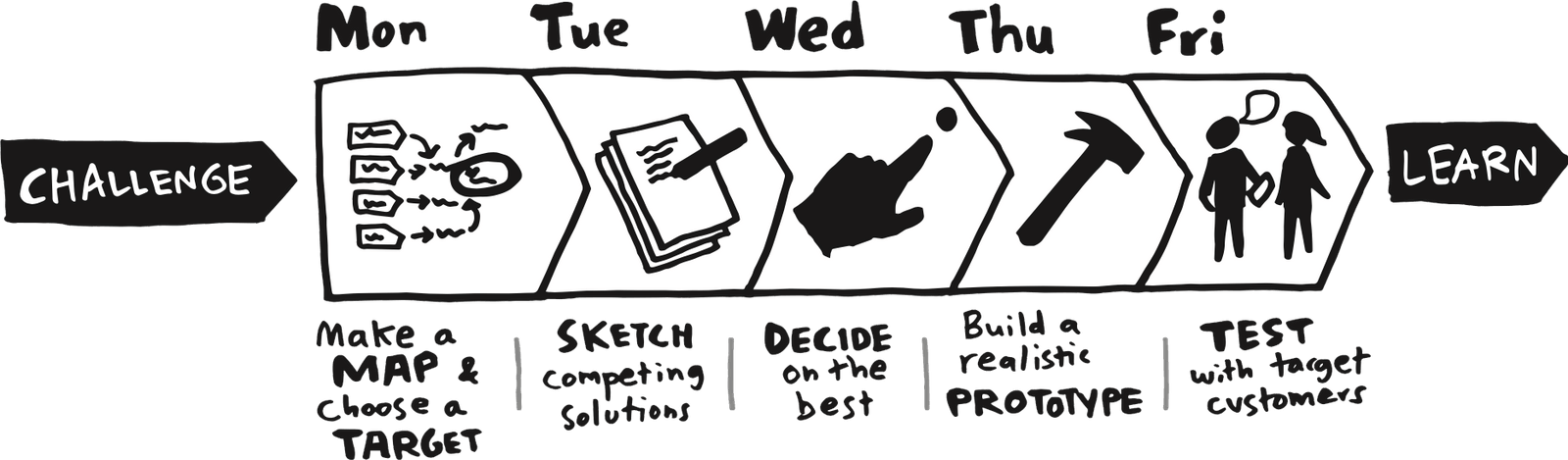
One of the main reasons for the success of Design Sprint is its speed and efficiency. Traditional product development processes can be time-consuming and involve multiple rounds of iterations and approvals, which can delay the time-to-market. However, Design Sprint allows teams to rapidly test and validate ideas within a short timeframe, typically 3-5 days, reducing the time-to-market and increasing efficiency in product development. This accelerated timeline enables organizations to quickly iterate and refine their ideas based on real-world feedback, leading to faster innovation and product launches.
2. Collaboration and Cross-Functional Expertise
Design Sprint brings together a diverse group of team members from different disciplines, fostering collaboration and leveraging cross-functional expertise. This collaborative approach enables teams to generate innovative ideas and solutions by drawing on the unique perspectives and skills of team members. The structured framework of Design Sprint encourages open communication, creativity, and teamwork, leading to more effective problem-solving and innovation. The diverse input from team members helps in uncovering different insights and viewpoints, leading to robust and well-rounded solutions.
3. User-Centricity
Design Sprint emphasizes a user-centric approach, involving real users in the process of validating ideas and ensuring that the final solution meets their needs and expectations. By incorporating user feedback early in the process, Design Sprint helps organizations avoid developing products or solutions that do not resonate with their target audience. This user-centric approach ensures that the end result is a product or solution that is aligned with user needs, preferences, and pain points, leading to increased user satisfaction and adoption.
4. Rapid Iteration and Refinement
Design Sprint encourages rapid iterations and refinements based on feedback. The methodology involves creating tangible and testable prototypes that can be quickly validated with real users. This iterative approach allows teams to gather feedback, identify flaws, and make improvements in real-time, leading to faster iterations and refinements. The ability to quickly iterate and refine ideas based on feedback helps organizations to develop more robust and optimized solutions, reducing the risk of launching products that do not meet market needs.
5. Evidence-Based Decision Making
Design Sprint promotes evidence-based decision making by validating ideas with real users and data. The methodology involves testing and validating prototypes with real users, collecting data and feedback, and using them to drive further refinement and improvement. This data-driven approach ensures that decisions are based on concrete evidence rather than assumptions or opinions, reducing the risk of making costly mistakes. Evidence-based decision making leads to more informed and strategic innovation, increasing the chances of success in the market.
6. Tangible and Testable Prototypes
Design Sprint emphasizes the creation of tangible and testable prototypes that can be quickly validated with real users. This hands-on approach allows organizations to gather real-world feedback and insights, leading to better understanding of user needs and preferences. The ability to test and validate prototypes with real users helps organizations identify and address issues early in the development process, leading to more refined and user-friendly solutions.
7. Documentation and Learnings
Design Sprint encourages documentation and learnings throughout the process. This helps organizations capture the insights, feedback, and findings from the Design Sprint, allowing for future reference and continuous improvement. The documentation of learnings helps organizations to build a repository of knowledge and insights, which can be leveraged in future projects and initiatives. This culture of documentation and learnings promotes a culture of continuous improvement and learning, which is crucial for long-term success.
8. Flexibility and Adaptability
Design Sprint provides a flexible and adaptable framework that can be customized to meet the unique needs of different organizations and projects. The methodology allows teams to adapt the process based on the specific problem they are trying to solve, the resources available, and the timeline of the project. This flexibility and adaptability make Design Sprint suitable for various industries and sectors, ranging from technology to healthcare, finance to education, and more. The ability to tailor the process to specific requirements allows organizations to achieve optimal results and outcomes.
9. Risk Mitigation
Design Sprint helps organizations mitigate risks associated with product development and innovation. By rapidly testing and validating ideas with real users, organizations can identify and address potential issues and challenges early in the process. This risk mitigation approach minimizes the chances of launching products or solutions that fail in the market, saving valuable time, effort, and resources. Design Sprint’s iterative and user-centric approach reduces the risk of developing solutions that do not resonate with users or fail to meet market needs.
10. Innovation and Creativity
Design Sprint fosters a culture of innovation and creativity by encouraging teams to think outside the box and come up with unique solutions to problems. The structured framework of Design Sprint provides a platform for teams to brainstorm, ideate, and prototype ideas, leading to innovative and creative solutions. The time-bound nature of Design Sprint also pushes teams to come up with ideas quickly, fostering a culture of rapid innovation and experimentation.
11. Increased Stakeholder Alignment
Design Sprint involves cross-functional team members and stakeholders in the process, leading to increased alignment and buy-in from all parties involved. The collaborative nature of Design Sprint allows for open communication, shared understanding of the problem, and alignment on the solutions. This alignment among team members and stakeholders reduces potential conflicts and ensures that everyone is on the same page, leading to smoother execution and implementation of the final solution.
12. Real-World Validation
One of the key factors contributing to the success of Design Sprint is its emphasis on real-world validation. By testing and validating prototypes with real users, Design Sprint helps organizations gather actionable feedback and insights that can be used to make informed decisions. This real-world validation ensures that the final solution meets the needs and preferences of the end-users, increasing the chances of success in the market.
Conclusion: Design Sprint has become a proven success story in the world of innovation and problem-solving due to its speed, efficiency, collaboration, user-centricity, rapid iteration, evidence-based decision making, tangible prototypes, documentation, flexibility, risk mitigation, innovation, stakeholder alignment, and real-world validation. Organizations around the world have adopted Design Sprint as a powerful tool to accelerate innovation, reduce risks, and develop user-friendly solutions that resonate with their target audience. By leveraging the principles of Design Sprint, organizations can foster a culture of creativity, collaboration, and continuous improvement, leading to increased success in the dynamic and competitive business landscape.